Posts

Caring for Children during Covid-19 | Parent and Caregiver Guide

Image
Covid-19 has changed the way children play, learn, and live. Children may become clingy, withdrawn, angry, or start bedwetting. What can parents do to help them cope? Respond to them supportively and listen to their concerns. Give them plenty of love and attention. Make extra time with them and remember to listen. Speak kindly and reassure them.  Make opportunities to relax and play.  Keep children in touch with their teachers, friends, and extended family. If hospitalization occurs ensure contact by phone or video. Reassure them.  Regular routines and schedules are required. Create new routines for learning, playing, relaxing and sleeping. Parents of younger children can implement a reward system to help kids stick with their new routine. Praise them whenever possible when they are doing the right thing.  Provide facts about what has happened and explain what is going on. Give clear information about what to do to stay safe in words they can understand. ...
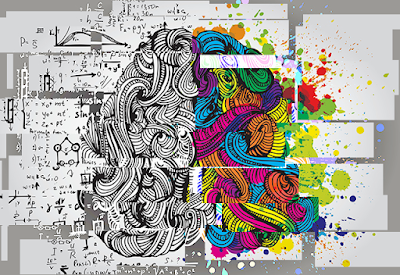
Schizophrenia—Evolution of Humanness

Image
Is schizophrenia bound to human evolution? Schizophrenia is a neuro-developmental disorder characterised by delusions, hallucinations, and bizarre behaviours. No other animal displays these symptoms. Depression, addiction, anxiety are all found in other animal species, but not schizophrenia. Schizophrenia is not even found in chimpanzees our most recent evolutionary ancestors. It is inheritable, and highly disadvantageous to survival of the affected person. Given this, schizophrenia should be almost non-existent. Yet it continues to affect a massive 1% of the global population. Something is pushing for the persistence of this disorder and its spontaneous manifestation in humans. Human evolution separated from the chimpanzees 5.5 million years ago when we walked upright and then acquired language abilities. Language ability developed after 'lateralisation', the separation of brain functions into the left (sequential) and right (parallel processing) hemispheres. The pecu...

Creativity

Image
How do we define creativity? Creativity is the ability of individuals to develop novel and useful products. Novelty, originality, innovation, ingenuity are some of the words often used to define creativity. But originality is just one component of creativity. There is another essential aspect of creativity – the idea should be effective, useful or productive.  Creativity exists in many domains and is not just limited to the arts, as most people seem to think. Creativity is at work behind most scientific inventions, innovative gadgets, health technologies and economic theories which have changed the world. Individuals differ in their propensity and capacity to be creative. Many of us are creative in small ways - in ways we find solutions to problems of everyday life. Only a few are highly creative and leave their mark on the world. What does it take to be creative? Creative individuals tend to possess some qualities or traits that may contribute to or are associa...

Humanity and Psychiatry | Prehistory to Pinel

Image
Prehistoric human skull with trepanations (Monte Albán, Mexico) Six to seven millenia ago in the Neolithic age it was understood that abnormal behaviours originated in the brain. However, the cause was ascribed to 'confined demons' and holes were drilled in the skull (trepanation) to let them out (Faria 2015). Later, the ancient Greeks and Egyptians developed an illness model of abnormal moods and behaviours, though they believed it was the heart and not the brain that controlled them. Texts that survive indicate formal psychiatric history taking and evaluation, prescription physical therapies like sleep, fever, and music alongside what would fit in with present day supportive and lifestyle and stress management therapies (Lambrini K, 2018). This care was confined to religious temple complexes some of which specialised in treatment of mental health disorders. The 1st Millennium Organised medical care in hospitals originated in the near and middle eastern regions. T...

Parenting After Divorce

Almost half of all couples divorcing have a child under the age of 16 years. Parental separation results in a major upheaval in the life of a child. Apart from the loss created by the absence of one parent, there are usually major changes in living conditions, home, neighbourhood and school. Added to this are the psychological hazards of insecurity, loss of trust, anxiety, guilt and fear. Psychological impact of divorce on the child The psychological impact of divorce on the child is a complex issue. Several factors such as the manner in which the parents separated; the age and maturity of the child, socio-economic factors and support of family members determine the effect of the separation on the child. Emotional and behavioural problems in children have been found to occur more often when the separation has been hostile and accompanied by much unpleasantness. A little sensitivity, a great deal of love and understanding and reassurance goes a long way in preventing emotional and ...