Posts

Brain effects of cellular phone use

Image
Mobile phone induced EEG changes Cellular phones affect the brain to cause injury and death through inattention and reaction time delays. Cellular phone radiations also induce abnormal changes in brainwaves. Here we are not concerned with the potential for death due to the cancer generating properties of GSM radiation. We are concerned with the direct and immediate adverse effects of cellular phone conversations. Cellphones continue to kill their users in Pune . At least two people died crossing the Hadapsar railway tracks while engrossed in conversation. One of them was oblivious to shouting onlookers warning him of the oncoming train. Another cell-bewitched user fell off his eighth-floor balcony while conversing. And of course cellphone use while driving continues to kill despite the ban. All this is besides the cancer risk that the WHO (2011) is unable to disregard. How distracting is a cellphone conversation? Any extraneous demand on attention will distract from performance...

Discrimination of psychiatrically ill persons by hospitals

Image
Discrimination of mentally ill persons by hospitals A young woman with psychiatric illness was refused admission at a leading tertiary care hospital in Pune. The reason - “mentally unstable patients are known to cause harm not only to themselves but to others as well. The hospital lacks facilities and infrastructure for catering to psychiatric patients.” A similar unwritten policy of denying inpatient care on grounds of psychiatric illness exists in at least one other large corporate hospital in Pune. We have already stressed the importance of access to healthcare for persons with mental illness . We will now further explore the stereotype of harm in mental illness. The stigma associated with this stereotype has an adverse impact on timely delivery of healthcare to persons with psychiatric illness. Are mentally ill persons likely to harm other hospital inpatients? Hospital and healthcare settings have the highest levels workplace related violence across all industry sect...

Inclusive education for children with autism in Pune

Image
Inclusive Education Inclusive education for children with autism and other developmental disabilities is now approaching reality in Pune. Nine children with autism appeared for the Maharashtra 10th standard (SSC) board exam. The accommodations and waivers granted to these students reflect an infusion of the fresh breath of inclusion into the corridors of the board of education . Sarva Shiksha Abhiyan (SSA) in Maharashtra The Education for All Movement , the central government’s flagship SSA, seeks to ensure that every child, including those with special needs, is provided an elementary education. As far as disability is concerned the SSA has adopted a zero rejection policy. It provides for universal access to infrastructure and curricula in schools. Maharashtra is at the forefront of this scheme. In all 380000 teachers from Maharashtra attended workshops on inclusive education through the SSA. 414277 children with special needs were identified and 380723 enrolled under the SSA in...

Neurotoxic effects of alcohol on the adolescent and young adult brain

Image
(or why the 25 year age-bar on alcohol consumption could be reasonable) Does alcohol have specific neurotoxic effects on the adolescent or young adult brain? This question is the only important one for deciding whether the 25 year age-bar on alcohol consumption in Maharashtra is justifiable. While the debate rages two students from the premier medical college of India drowned in an alcohol fuelled swimming pool misadventure, and in an unrelated incident on the same night five inebriated youths were arrested for disturbing the peace in a residential area. We have seen how to recognise problem alcohol drinking in teenagers , and how to refuse alcohol . This article probes the specific effects of alcohol on the maturing brain. Infancy Alcohol is a neurotoxin. It distorts the normal architecture of the developing brain. This distortion starts during pregnancy when imbibed maternal alcohol crosses the placenta into the foetus. In the foetus alcohol acts on the specially vulnerab...

School bullying

Image
Bullying by children in schools has serious mental health effects on the victim and the bully. Up to 25% of high school students report being victimised by bullies. 13% of victims have considered suicide. In rural India 31% of middle school students report being bullied (Kshirsagar 2007). Bullying is twice more prevalent in coeducational schools than in girl schools. The prevalence of bullying increases from 13% in the 3rd grade to 46% in the 6th grade. Bullying is higher in classes with more retained students. Bullying occurs in a variety of settings that are an extension of your child's school life. Bullying can occur face to face, by texting or on the web (cyberbullying). Bullying is not a phase of growing up, it is not a joke, and it is not a sign that boys are being boys. Bullying can cause lasting harm - to the victim, the bully and the bully-victim (children who are bullied and also bully other children). Bullying takes many forms Verbal : Name calling, teasing ...

Quit Smoking for World No Tobacco Day (31-May)

Image
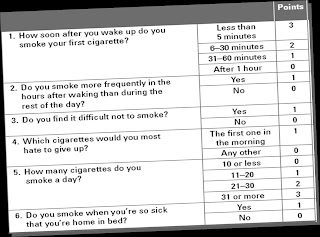
Fagerstrom Test for Nicotine Dependence Quitting tobacco is the most important thing you can do to protect your health (AHRQ) Quitting by willpower only 40% of smokers try to quit each year . The success rate of those who quit on their own is about 5% and with self-help books it is about 10%. Most smokers make 5-10 attempts to quit. Unsuccessful attempts to quit are a sign of nicotine dependence. 85% of current daily smokers are nicotine dependent Signs of nicotine dependence Tolerance - Increasing the number of cigarettes smoked per day (Most smokers escalate to a pack) Withdrawal - Mood changes, irritation, anxiety, insomnia, restlessness when unable to smoke Loss of control - Most smokers do not intend to continue, but 5 years later 70% do Increased time spent using the drug - Leaving office/ work-site to smoke Continued use despite harm - cough, hypertension, heart disease Giving up important activities - air travel Are you nicotine dependent? Take the Fagerstrom Te...

Police suicides

Image
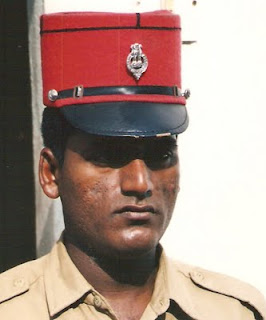
Five police constables from Pune committed suicide this year. Suicide by police personnel the world over has been extensively reported. It is generally known that the occupation is stressful and associated with psychological stressors that make personnel prone to suicide. However, there is a marked variance in reported rates and stressors. Local factors may overshadow any generalisations even within the country. For instance, in the US/Europe firearms are the most common suicide method used by police (61-77%), but in Pune hanging was the only method used. Sources of stress in police personnel There is conflicting evidence as to the extent to which police constitute a high risk group for suicide . A study of well-being in police at Bangalore showed they were were better adjusted and had a better quality of life than comparable middle class urban factory workers (Geetha 1998). However, they had poorer social contact and support beyond the immediate family. This was attributed to their...