Posts

Humanity and Psychiatry | Prehistory to Pinel

Image
Prehistoric human skull with trepanations (Monte Albán, Mexico) Six to seven millenia ago in the Neolithic age it was understood that abnormal behaviours originated in the brain. However, the cause was ascribed to 'confined demons' and holes were drilled in the skull (trepanation) to let them out (Faria 2015). Later, the ancient Greeks and Egyptians developed an illness model of abnormal moods and behaviours, though they believed it was the heart and not the brain that controlled them. Texts that survive indicate formal psychiatric history taking and evaluation, prescription physical therapies like sleep, fever, and music alongside what would fit in with present day supportive and lifestyle and stress management therapies (Lambrini K, 2018). This care was confined to religious temple complexes some of which specialised in treatment of mental health disorders. The 1st Millennium Organised medical care in hospitals originated in the near and middle eastern regions. T...

Parenting After Divorce

Almost half of all couples divorcing have a child under the age of 16 years. Parental separation results in a major upheaval in the life of a child. Apart from the loss created by the absence of one parent, there are usually major changes in living conditions, home, neighbourhood and school. Added to this are the psychological hazards of insecurity, loss of trust, anxiety, guilt and fear. Psychological impact of divorce on the child The psychological impact of divorce on the child is a complex issue. Several factors such as the manner in which the parents separated; the age and maturity of the child, socio-economic factors and support of family members determine the effect of the separation on the child. Emotional and behavioural problems in children have been found to occur more often when the separation has been hostile and accompanied by much unpleasantness. A little sensitivity, a great deal of love and understanding and reassurance goes a long way in preventing emotional and ...

Multiple Illnesses and Multiple Prescriptions—Clarify safety with prescribing doctor

People with a serious psychiatric ailment  fall ill, just like anyone else does. They develop colds and coughs, fevers and stomach ailments. They may sprain their ankles, have headaches, develop indigestion after having too good a meal, rashes after trying a new cosmetic and food poisoning after eating some unhygienic street food. Like anyone else, they do one of two things: they buy an OTC medicine; or they consult a general physician. Precautions with other prescriptions Be careful with OTC preparations . Not all OTC medications are benign or free from side effects. Avoid drug combinations. Cough syrups (even ‘safe’ herbal ones) usually have a combination of many ingredients, including substances which are highly addictive. It is usually better and safer to go for option two – visit your GP . It is a good idea to establish a trusted professional relationship with one particular GP who knows your medical history thoroughly. However, this may not always be possible. Very ...

World Mental Health Day 2018

World Mental Health Day World Mental Health Day is observed every year on the 10th of October to take awareness of mental health issues into the community. The theme for 2018 was  Young People and Mental Health in a Changing World [1] . Pathfinder Clinic WMHD2018 Event On World Mental Health Day 2018 Pathfinder Clinic psychologists manned a desk for the day in the atrium at Magarpatta City, Pune. They used a short mental health quiz to pique the interest of anyone entering the shopping complex and rewarded all participants with an origami patronus! They were also administered a test of their current resilience. Our psychologists engaged in over-the-counter discussions on what constituted mental health issues. People brought out their own family and interpersonal problems, and to many it was an eye-opener that mental health issues could be contributory. Why focus on young people? Young people don't vote. They often don't have a voice and depend upon others to champ...

Parenting an Adolescent

Image
Adolescence is a time of transition . Most parents find themselves bewildered by the changes in their previously affectionate and obedient children. Mood changes, withdrawal, monosyllabic answers and arguments find most parents asking, “What have we done wrong?” Adolescence is marked by profound changes brought about by the hormonal surge at puberty. The physical changes are accompanied by emotional, behavioural and intellectual changes to which the child has to adapt rapidly. “As their bodies, brains and worlds rearrange themselves, you (parents) will need to do your own reshuffling.” Changing role of parenting adolescents The need for autonomy, independence and a search for one’s own unique identity is an essential part of adolescence. Often, this is achieved by questioning and testing existing rules and norms. Make space for this quest. Handle an occasional error of judgement with explanations rather than with accusations and confrontation. The essentials of parenting ...

Making the Cut—Self-cutting in Adolescents

Image
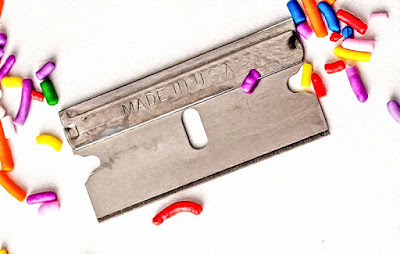
Self-cutting in adolescents is the strongest predictor for subsequent suicide attempts. It is a clear signal of severe psychological pain being released physically by the act of self-cutting. However, relief is only temporary, and if ignored self-cutting can progress to suicide. Self-cutting and Suicide Repeated self-cutting in adolescents is the strongest predictor of attempted suicide. 70% of those who self-cut will attempt suicide at least once. The number of suicide attempts increases with the number of years engaged in self-cutting (Nock 2006). The risk of attempted suicide is higher than with any other psychiatric disorder including depression and borderline personality disorder. Self-cutting may be a uniquely important risk factor for suicide because its presence is associated with both increased desire and capability for suicide (Klonsky 2013). Ms LM, 15 years old, was brought by her parents for counselling after a suicide attempt. She subsequently revealed repeated se...

Anger—effect on your child

Effect of Anger on your Child Anger has a silent but permanent effect on your child . Anger can affect your professional life, harm relationships, and has significant health implications. But quite apart from how it affects you personally, it affects your children. Children of angry adults have been seen to be more aggressive, oppositional and non-compliant. They are also less empathetic; and display poor overall social adjustment. Delinquency and anti-social behaviour are also more common in such children. Is anger hereditary or learned? A child experiences emotions from birth , but how he/she handles emotions is largely determined by learning. While a child may have an irritable temperament, no child is born with temper tantrums. A child learns that throwing a temper tantrum is rewarding (gets attention or gets him what he wants). From infancy onward, children learn by imitation . As parents, we are the first role models. Our children watch us; and then model their behavi...