Posts

Showing posts from May, 2011

Police suicides

Image
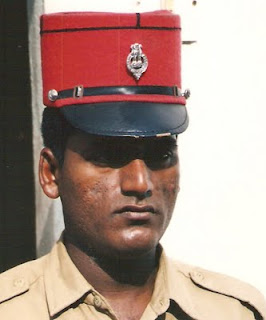
Five police constables from Pune committed suicide this year. Suicide by police personnel the world over has been extensively reported. It is generally known that the occupation is stressful and associated with psychological stressors that make personnel prone to suicide. However, there is a marked variance in reported rates and stressors. Local factors may overshadow any generalisations even within the country. For instance, in the US/Europe firearms are the most common suicide method used by police (61-77%), but in Pune hanging was the only method used. Sources of stress in police personnel There is conflicting evidence as to the extent to which police constitute a high risk group for suicide . A study of well-being in police at Bangalore showed they were were better adjusted and had a better quality of life than comparable middle class urban factory workers (Geetha 1998). However, they had poorer social contact and support beyond the immediate family. This was attributed to their...

Treatment of social anxiety, phobia and self-consciousness

Image
Avoiding social situations because they make you self conscious and anxious? You are likely to have a social phobia or social anxiety disorder. One in 10 persons experiences social phobia between the age of  9-33years. The incidence is highest in adolescence (Beesdo et al 2007). Men and women are equally likely to suffer. However, men are more likely to seek treatment when their performance at work is impaired. Social anxiety usually begins in childhood or early adolescence . There is often a history of childhood shyness. A stressor or humiliating social experience can precipitate the problem. In fact paediatric social phobia affects 5-10% of children. In children it is often associated with ADHD (Attention Deficit Hyperactivity Disorder), depression or separation anxiety disorder. Longstanding social phobia increases the risk of depression, substance abuse, and alcoholism later in adulthood. Recognising social phobia “My mind went blank during the interview. I break ...

Sleeplessness, sleep disturbances, insomnia and parasomnias

Sleepless in Pune. Sleeplessness, disturbed sleep, and shift work related sleep problems are interfering with our citizens recovery after a hard days (nights) work. Insomnias and parasomnias are common sleep problems. Once recognised these are treatable. Does it take you more than 30 minutes to fall asleep at night? Do you wake up too early or frequently at night and have difficulty going back to sleep? Do you feel groggy and lethargic when you wake up? Do you feel drowsy during the day? Do you depend on coffee to get through the day? If you answer "yes" to any of the above questions; you have a sleep problem. You are not alone. 9-18% of adults suffer from treatable insomnia What is insomnia? The inability to fall asleep or remain asleep is insomnia (Latin for ‘no sleep’). In a broader sense insomnia is the inability to get the amount of sleep you need to wake up feeling refreshed. How much sleep do you need? As a rule of thumb an adult requires 7-...